Can one platform cover more than one scenario?
Yes — the wellhead response platform, for example, handles both fire suppression and precise wellhead positioning. The configuration changes more than the machine itself.
Solutions by scenario
Four recurring situations drive most of the requests we get. Here's how each one actually plays out on site, and which platform answers it.
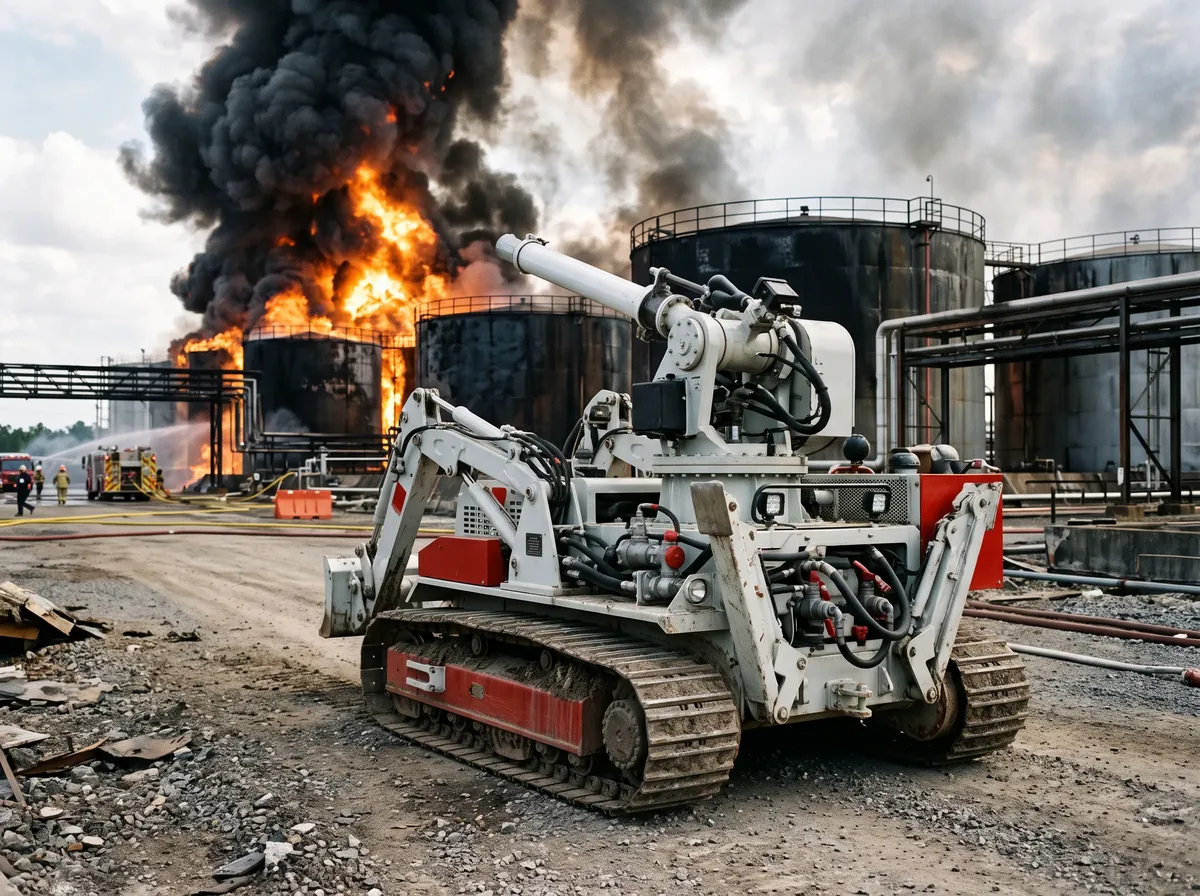
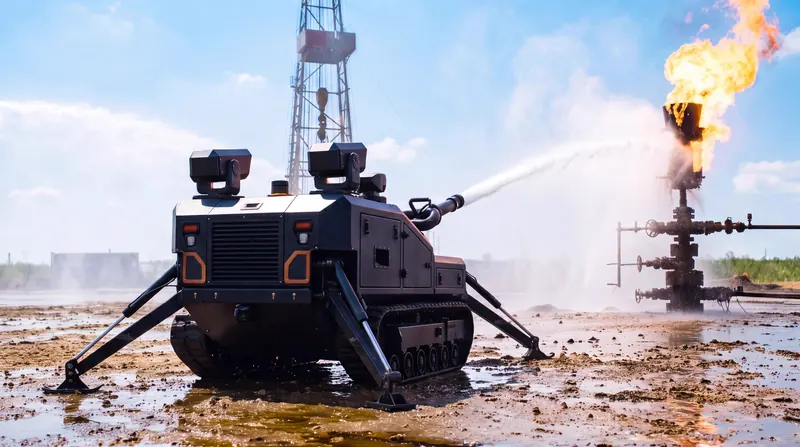
A tank fire or a burning pipe rack doesn't wait for a safe approach distance to open up. The long-range and dual-monitor suppression platforms hold position at a safe standoff and keep a stream on the source for as long as the incident needs, while the crew runs the operation from outside the exposure zone.
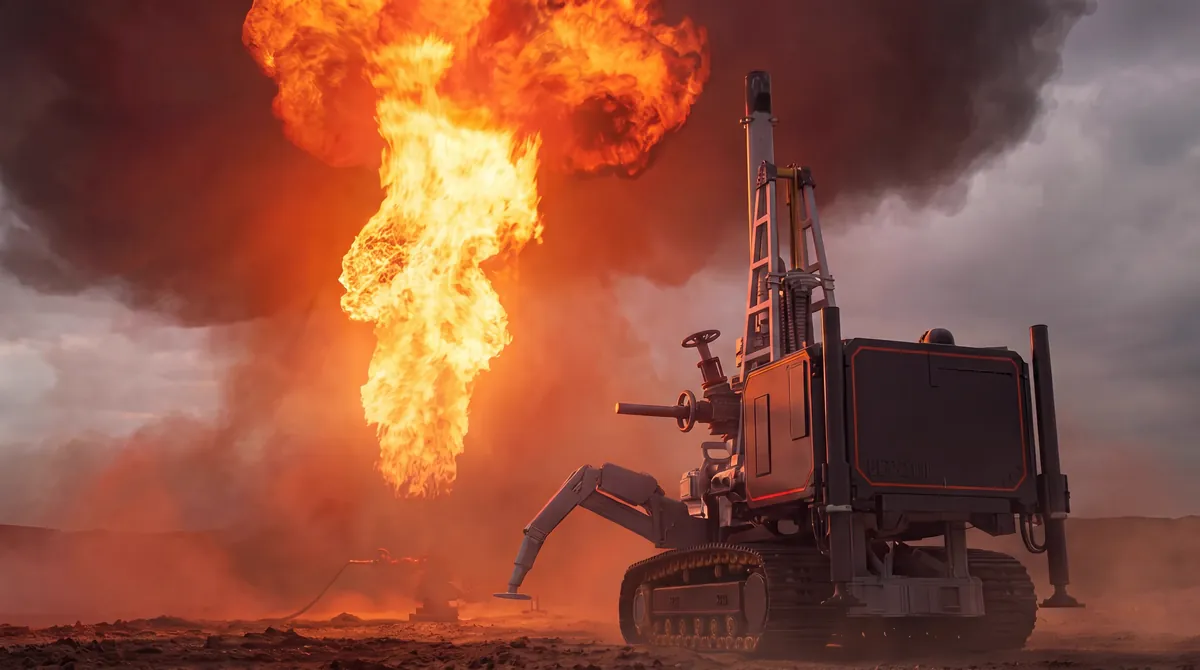
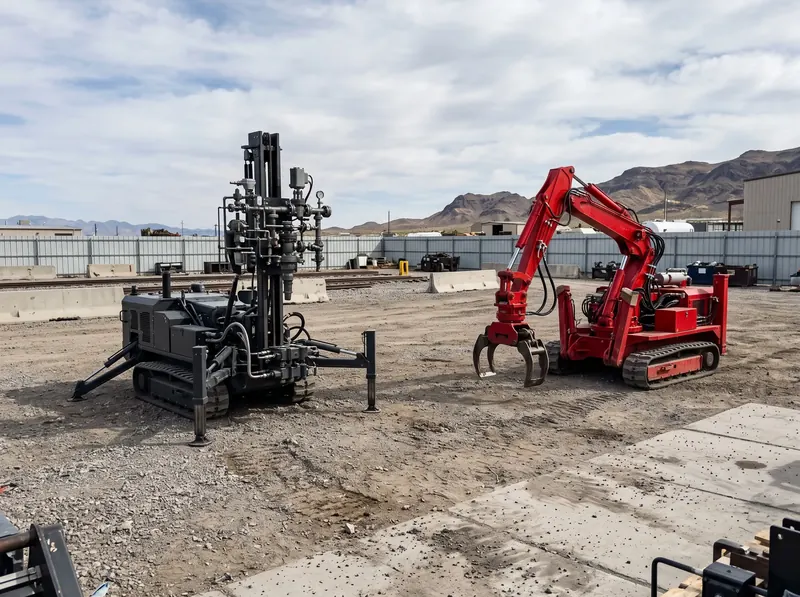
Before anything can be capped or shut in, someone has to get next to the valve assembly and assess it — and that's exactly the moment you don't want a person standing there. The wellhead response platform handles the careful approach: stabilizer legs out, mast and grapple positioned, full visual feedback to the operator console.
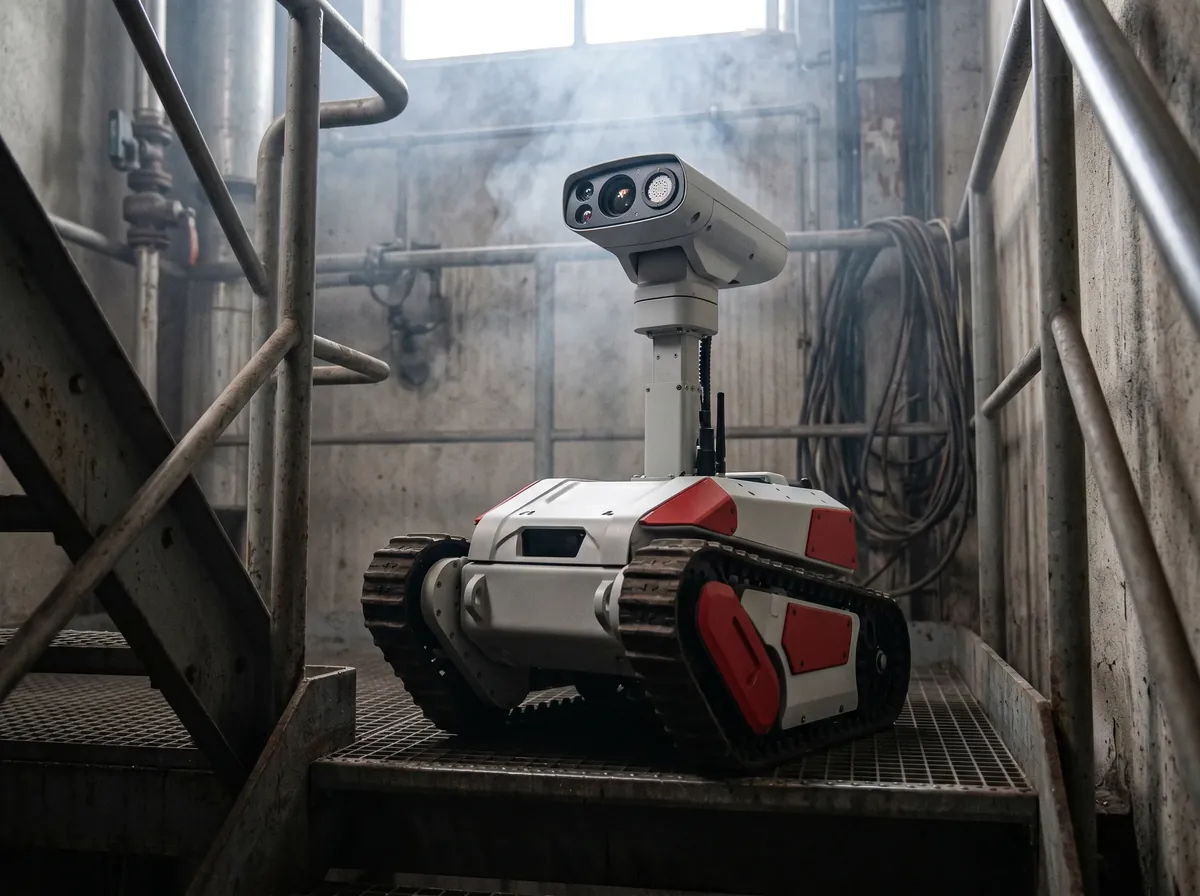
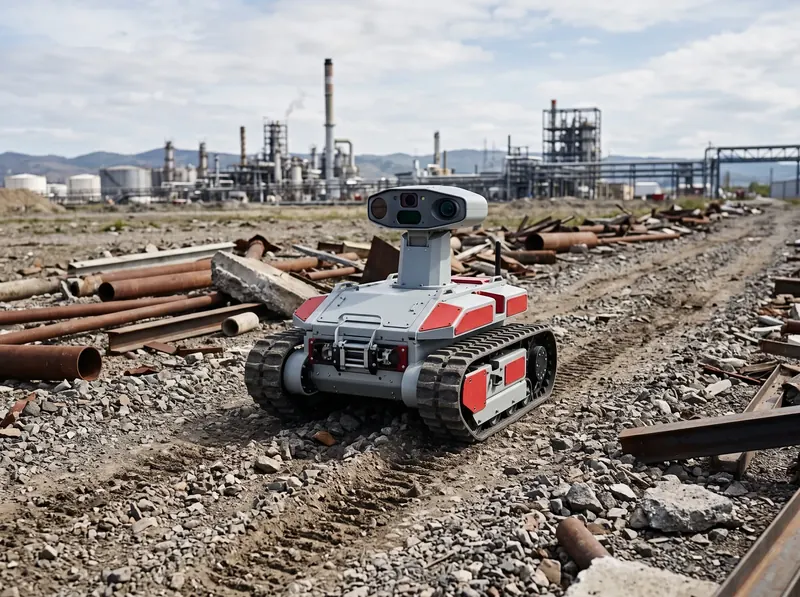
Smoke, an unknown gas reading, a structure that might not be sound — these are exactly the conditions where guessing is expensive. The confined-space inspection unit goes in first: camera, thermal imaging and gas detection feeding back in real time, so the entry decision is based on data, not assumption.
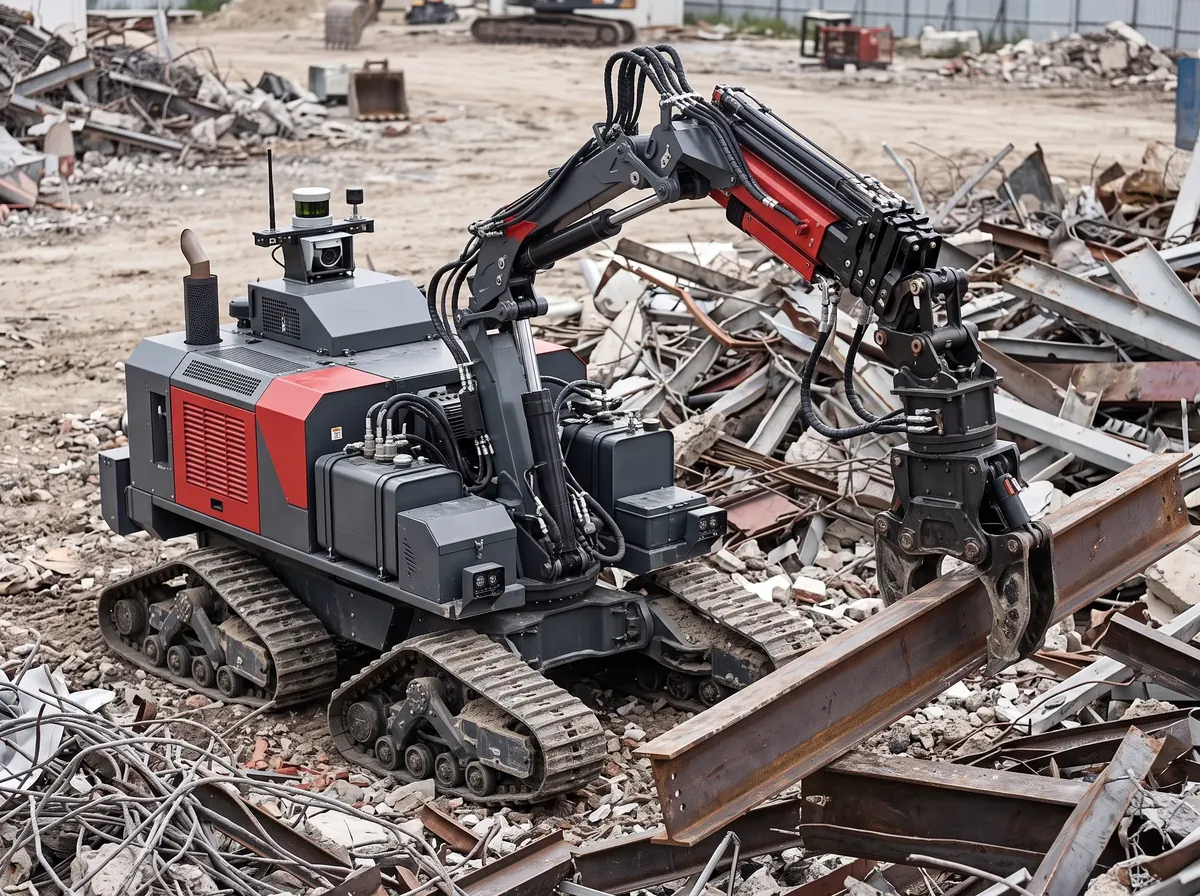
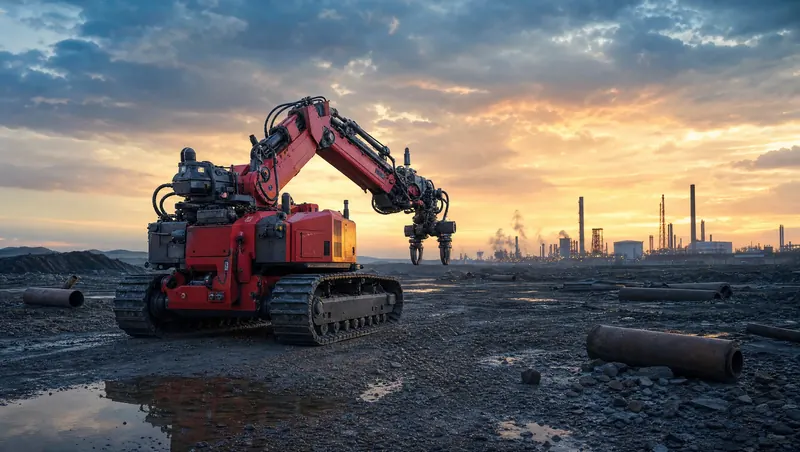
Demolition, clearing collapsed structures, handling contaminated material — this is work that needs force and reach, not finesse, and it's exactly the kind of task where keeping a person off the ground matters most. Five chassis options cover everything from a tunnel-width corridor to a long-boom dismantling job.
Field scenarios
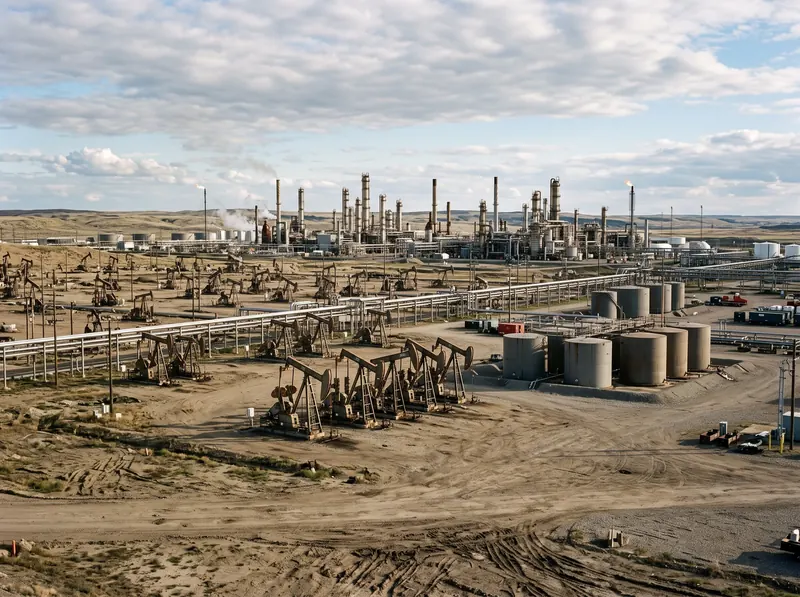
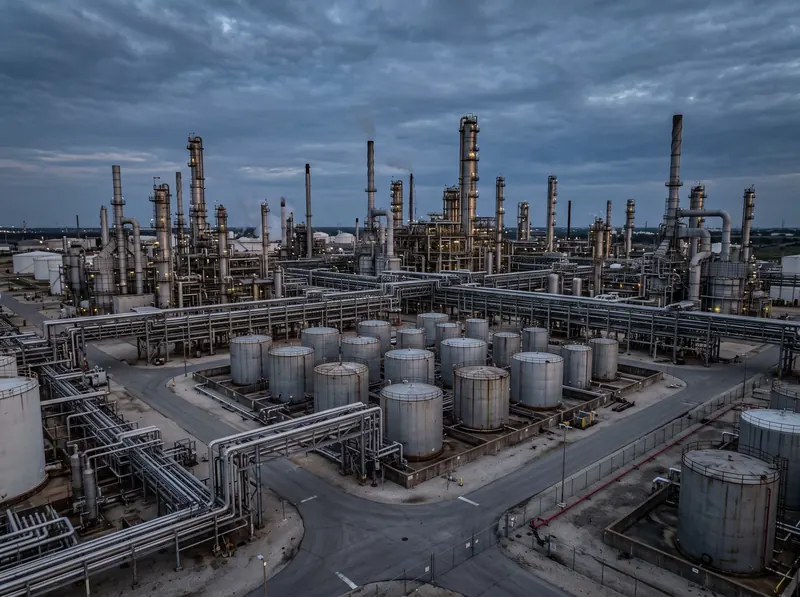
Use practical visuals to align stakeholders around the incident type, required equipment and response sequence.
Questions we get
Yes — the wellhead response platform, for example, handles both fire suppression and precise wellhead positioning. The configuration changes more than the machine itself.
Most sites combine two or three of them (a refinery has both fire risk and confined-space inspection needs, for instance). The scenario review on the Process page is where we work out the actual mix.
Yes — scenario review is the first step of how we work, not an afterthought. See the full process for what that review covers.
Within a platform's category, often yes — attachments, cameras and sensor packages can be swapped. Moving a platform to a completely different category (e.g. reconnaissance to heavy demolition) usually means a different chassis.